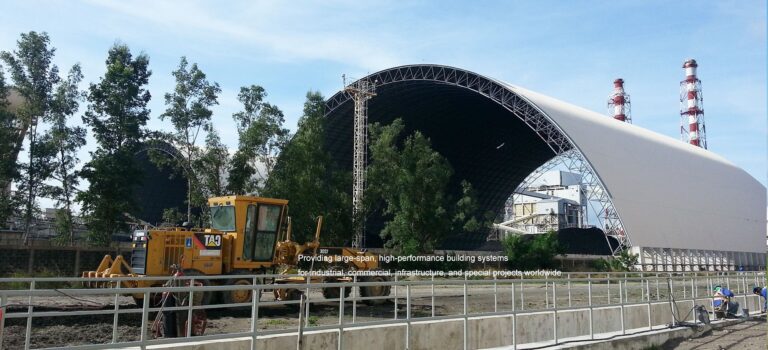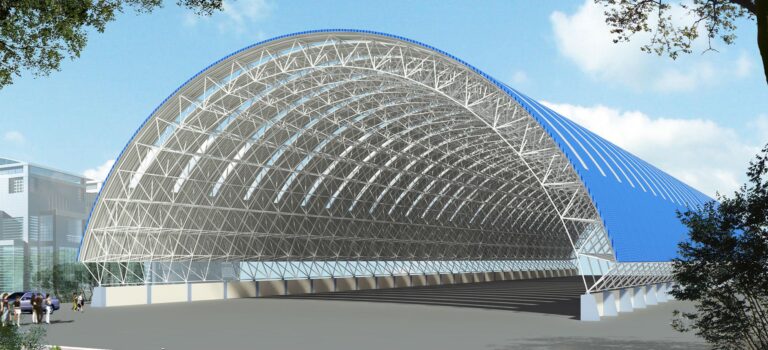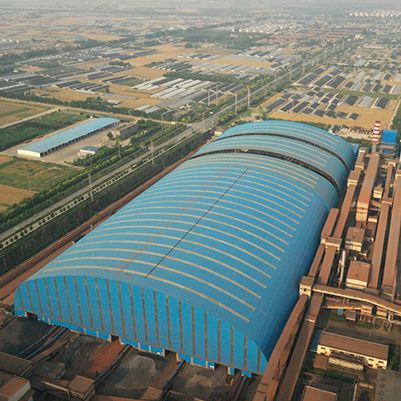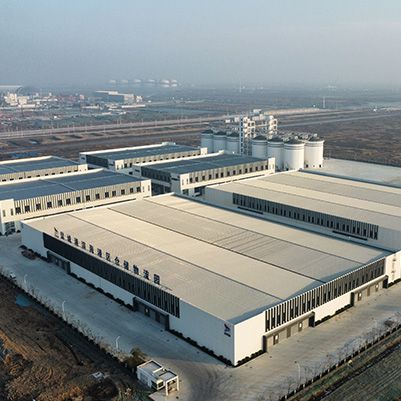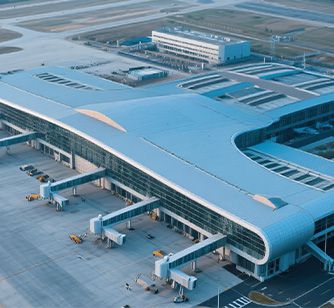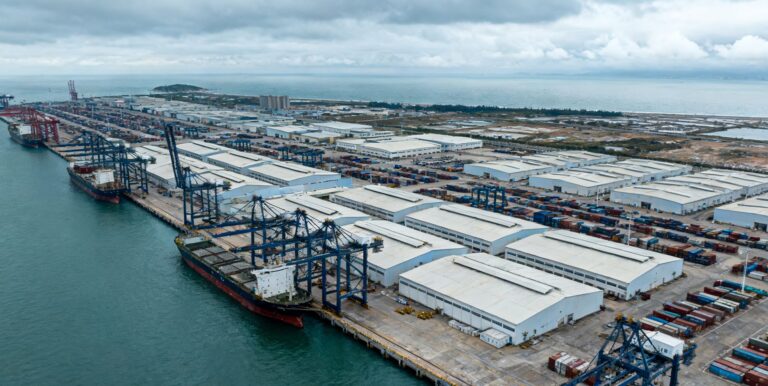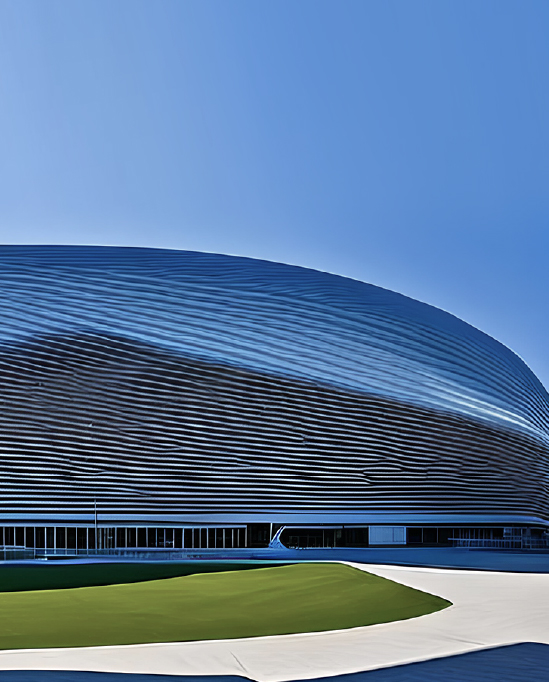


Designing steel structure frames is a complex task that requires the comprehensive consideration of various factors to ensure structural safety, cost-effectiveness, and functionality. This article explores the key conditions that must be considered during the design process.
1. Load Conditions
The design of steel frame structures must be based on load analysis. Load conditions serve as the core basis for the design of steel frame structures and include dead loads, live loads, as well as special loads such as wind loads and seismic loads.
Designers must accurately calculate the magnitude and distribution of various loads based on the building’s functional requirements and geographical location.
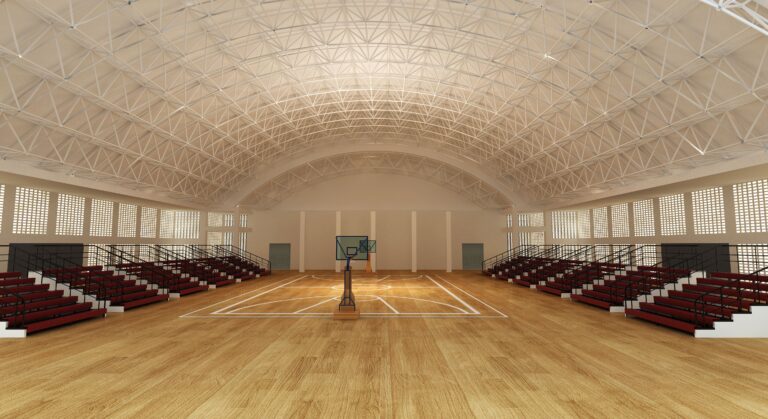
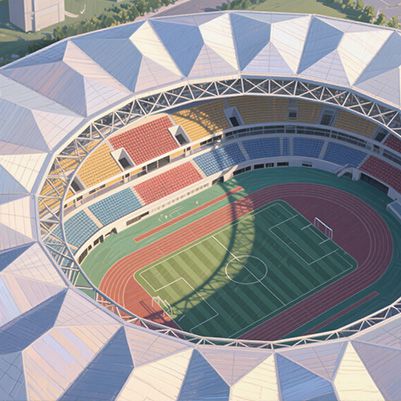
For instance, in large-span structures like stadiums or exhibition halls, live loads and wind loads are often the primary design considerations. Conversely, for buildings located in seismically active zones, the impact of seismic loads requires special attention.
2. Material Properties
Steel structural frames typically consist of members and joints, and the choice of materials directly affects the structure’s performance and economy. Common materials for space frames include steel tubes, reinforced concrete tubes, and aluminum alloy tubes.
Designers must select appropriate material types and specifications based on strength, modulus of elasticity, corrosion resistance, and constructability.
For example, steel tubes are frequently used in large-span steel frames due to their high strength and excellent workability, whereas aluminum alloy tubes are suitable for applications requiring superior seismic performance and corrosion resistance.

3. Joint Design
Joints are the critical connection points between members in a steel structural frame, and their design directly affects the structure’s stability and safety.
Joint design must consider the connection methods, load-bearing characteristics, and construction techniques of the members.
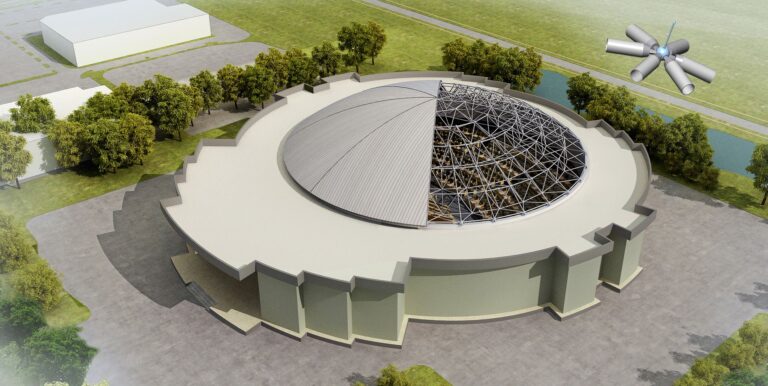
Common joint types include welded spherical joints, bolted spherical joints, and cast steel joints.
Welded spherical joints are suitable for complex spatial structures but are more difficult to construct; bolted spherical joints, on the other hand, are widely used in prefabricated steel structural frames due to their ease of assembly, disassembly, and construction.
4. Structural Stability
The spatial stability of steel structural frames is a critical factor that cannot be overlooked in the design process. Designers must ensure, through proper member arrangement and joint design, that the structure does not buckle or deform under various loads.
In addition, seismic analysis must be performed to ensure the structure’s safety under seismic loads.
For long-span steel structural frames, stability analysis is particularly important and may require methods such as finite element analysis.
5. Cost-Effectiveness
While meeting structural functionality and safety requirements, cost-effectiveness is one of the key factors to focus on in the design of steel structural frames. Designers must optimize material selection, structural layout, and construction plans to reduce project costs.
For example, by appropriately adjusting the cross-sectional dimensions of members, material usage can be reduced while maintaining structural strength; by adopting prefabricated components and modular construction methods, the construction schedule can be shortened and labor costs reduced.
6. Construction Feasibility
The design of steel structural frames must not only consider structural performance but also take into account construction feasibility.
Designers must work closely with contractors to ensure that the design can be successfully implemented during actual construction.
For example, for large-span steel structural frames, special construction methods—such as phased construction or whole-structure hoisting—may be required to ensure construction quality and schedule.
7. Maintenance and Durability
The maintenance and durability of steel structural frames are also critical factors to consider in the design process.
Designers must select materials that are corrosion-resistant, weather-resistant, and easy to maintain, while also reserving necessary access space for maintenance within the structural design.
For example, for steel structural frames in outdoor structures, special attention must be paid to the materials’ corrosion resistance to extend the structure’s service life.
8. Environment and Aesthetics
The aesthetic design of steel structural frames is often closely linked to the building’s overall aesthetic appeal.
Designers must prioritize the structure’s visual appeal and harmony with the surrounding environment while ensuring it fulfills its structural functions.
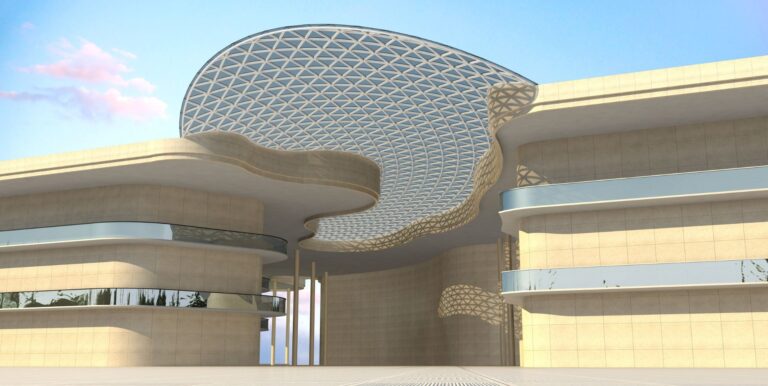
For example, optimizing the arrangement of members and the design of joints can enhance the visual impact of the steel structural frame; integrating the design with the building’s functions allows for a balance between practicality and aesthetics.
Conclusion
The design of steel structural frames is a complex and multidimensional process that requires designers to comprehensively consider multiple factors, including loads, materials, joints, stability, economy, constructability, maintenance and durability, as well as environmental impact and aesthetics.
Only through comprehensive analysis and optimization can steel structural frames be designed that are both safe and reliable, as well as economical and aesthetically pleasing.
With continuous advancements in construction technology and ongoing innovation in design concepts, steel structural frames will play an increasingly important role in the future of the construction industry.