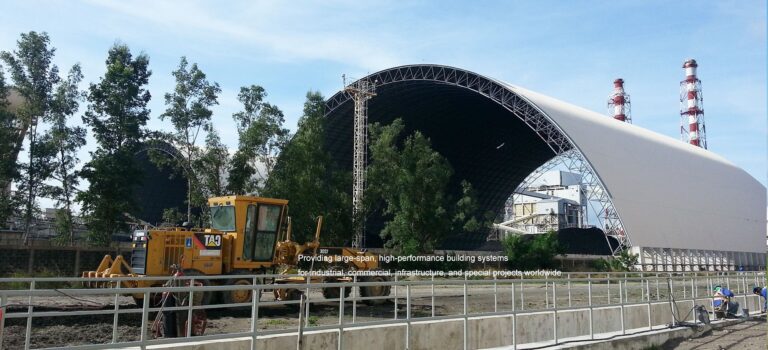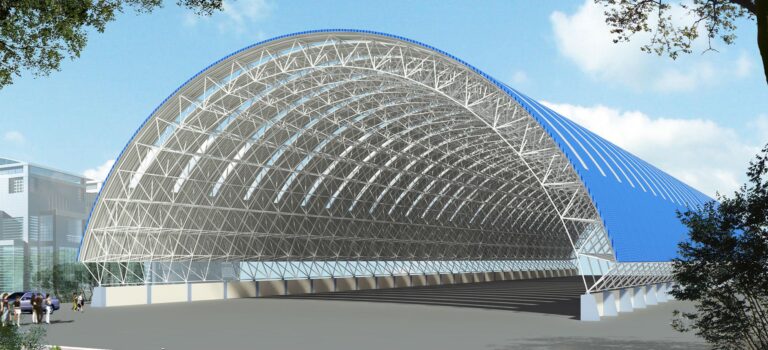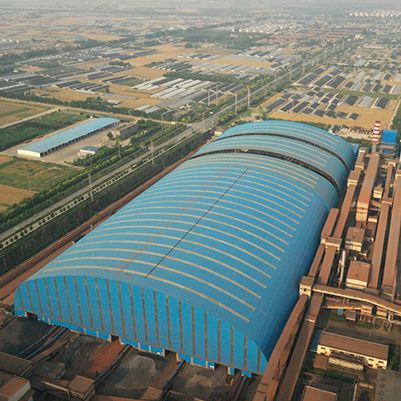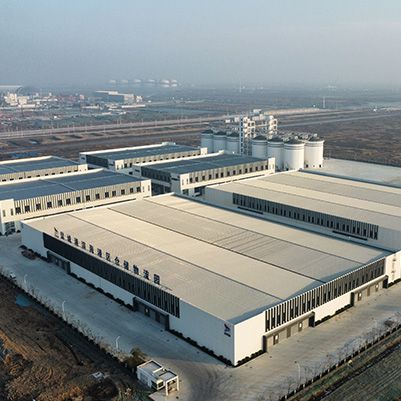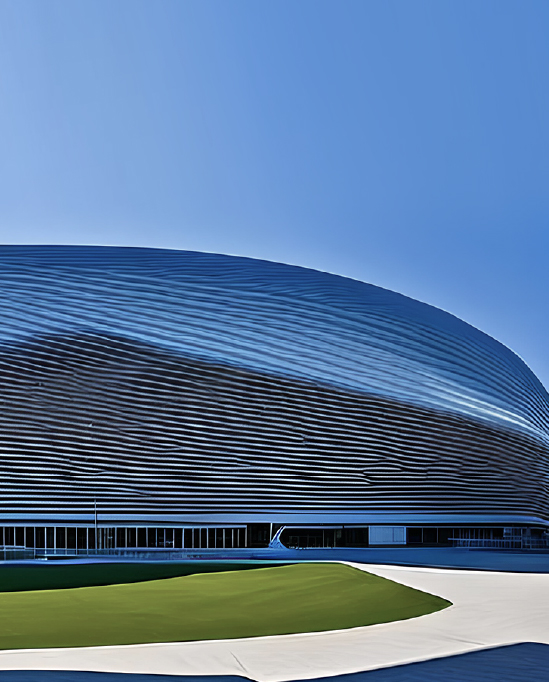


The functions and intended uses of an aircraft hangar directly determine its architectural span, height, structural system, and safety requirements.
An aircraft hangar is a specialized aviation facility used for aircraft parking, maintenance, storage, and daily operations.
Before starting the design process, owners must clearly define the primary purpose of the hangar. This helps engineers develop a solution that meets operational requirements while controlling construction costs.
Why do hangar functions determine the overall design?
Aircraft hangars are not ordinary industrial workshops; they are highly specialized aviation support facilities. Key parameters—such as span, clear height, structural form, fire safety rating, and site layout—are entirely determined by operational requirements. If the functional scope is poorly defined or if a generic factory design is simply replicated, issues such as insufficient space, equipment incompatibility, failure to meet fire safety codes, and an inability to expand often arise. Therefore, clearly defining the hangar’s purpose is a fundamental prerequisite for the entire design process.
Eight Core Functions of an Aircraft Hangar
Aircraft Parking and Protection
This is the hangar’s fundamental function. It shields aircraft from prolonged exposure to the elements—such as sunlight, wind, rain, salt spray, and dust—thereby protecting the airframe, components, and precision instruments. This function directly determines the clear span, clear height, hangar door dimensions, and floor load-bearing capacity; sufficient safe working space must be allocated based on the largest aircraft type expected to be housed.
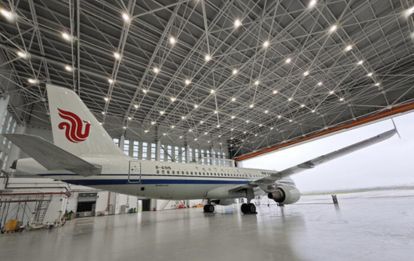
Aircraft Inspection and Major Maintenance
Specialized hangars accommodate tasks such as scheduled inspections, component replacement, avionics calibration, and complete overhauls. An enclosed, wind-free indoor environment ensures maintenance precision and operational safety. Maintenance hangars require column-free open spaces and compatibility with overhead lifting equipment; their structural load-bearing capacities and ventilation/smoke exhaust standards are significantly higher than those of standard parking hangars.
Storage of Aviation Materials and Components
Precision aviation parts, consumables, and onboard equipment require dedicated storage areas that are dry and dust-free. Separate zones for aviation materials prevent moisture damage, standardize inventory management, eliminate clutter, comply with aviation safety regulations, and ensure efficient maintenance operations.
Storage of Specialized Tools and Ground Support Equipment (GSE)
Aviation maintenance involves a wide array of specialized tooling, testing equipment, and ground support equipment (GSE). Dedicated storage areas enable centralized equipment management and rapid access, preventing large equipment from obstructing parking or maintenance aisles, thereby effectively improving space utilization and operational efficiency.
Ancillary Office and Duty Support
Modern hangars feature duty lounges, document rooms, and operations/maintenance offices for daily scheduling, maintenance record-keeping, on-site monitoring, and equipment inventory management. These support areas are arranged along the perimeter to avoid encroaching on core parking space, balancing operational needs with spatial integrity.
Compatibility with Maintenance Hoisting and Work Platforms
High-level maintenance on the fuselage, wings, and tail requires hoisting equipment and work platforms. Hangar design must provide adequate vertical clearance, embedded equipment anchor points, and maneuvering space; simple hangars—which lack these design features—can only accommodate parking and cannot meet the requirements for in-depth maintenance.
Fire Safety and Emergency Preparedness
Hangars store aviation fuel and electrical equipment, classifying them as high-risk operational sites. Provisions for fire access lanes, emergency evacuation zones, and explosion-proof isolation areas, along with professional smoke extraction and foam fire-suppression systems, are mandatory standards for compliance and acceptance; these cannot simply be retrofitted later.
Future Expansion and Functional Upgrades
High-quality hangar designs incorporate allowances for expanding parking bays, upgrading equipment, and enlarging spare parts storage. Planning for utility lines and structural redundancy in advance avoids the need for extensive demolition, structural reinforcement, or retrofitting later, thereby significantly reducing long-term maintenance and upgrade costs while enhancing the building’s lifecycle value.
Summary
All hangar design parameters stem from actual operational requirements. Functional needs—such as parking, maintenance, storage, operations, and expansion—directly dictate building specifications and ancillary standards. Clearly defining the hangar’s purpose before finalizing the design prevents issues like “usable but impractical” facilities or “initial savings leading to costly later rectifications,” ensuring the creation of a safe, compliant, and cost-effective professional aircraft hangar.
FAQ
Q1: What is the key difference between a parking hangar and a maintenance hangar?
A: Parking hangars only provide protection for the aircraft and have lower design standards; maintenance hangars have stricter requirements for vertical clearance, load-bearing capacity, fire safety, and ventilation to accommodate professional maintenance operations.
Q2: Must hangars have separate areas for aircraft parts and tools?
A: This is a mandatory requirement for professional maintenance hangars, but can be appropriately simplified for basic temporary parking hangars.
Q3: Why is it necessary to reserve space for future expansion?
A: This accommodates fleet upgrades and business expansion needs, avoiding large-scale retrofits later on and saving long-term operating costs.