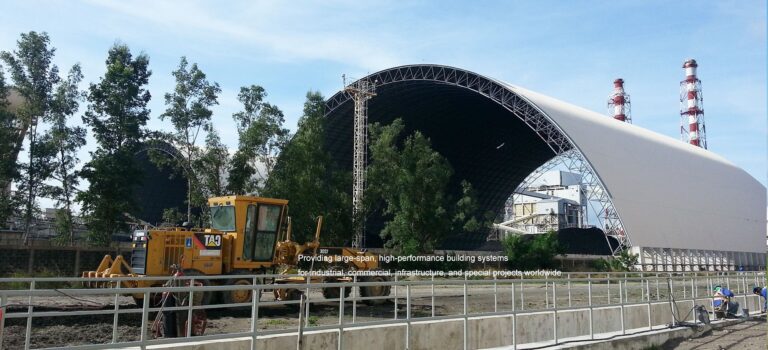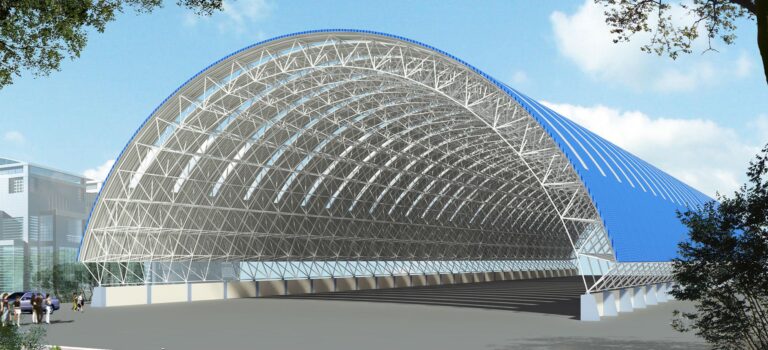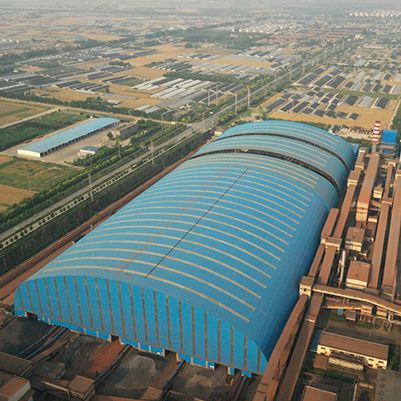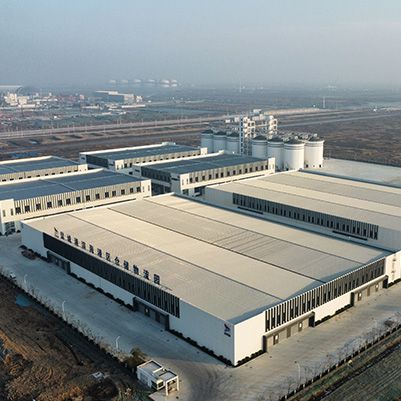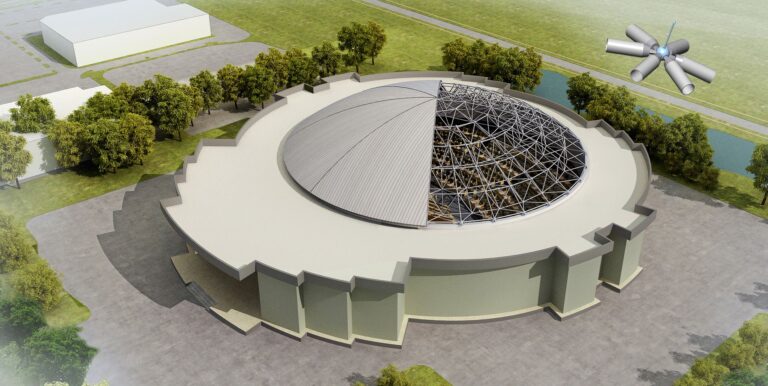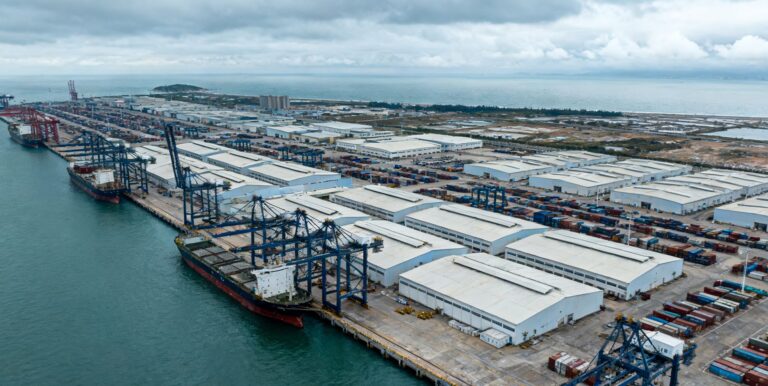


As domestic industrial environmental regulations tighten and green production systems evolve, the crude storage methods of traditional open-air coal yards no longer meet current safety and environmental standards; consequently, they are gradually being replaced by fully enclosed coal storage sheds. Today, enclosed coal storage sheds have become standard environmental infrastructure for bulk material storage at thermal power plants, steel mills, cement plants, ports, and various industrial enterprises, representing a core strategy for the green upgrading and regulatory compliance of coal storage facilities. Compared to open-air yards, enclosed sheds offer comprehensive advantages—ranging from environmental compliance and reduced material loss to operational safety and long-term economic benefits—which is the primary reason the industry is phasing out older open-air stockpiles.
1.Key pain points of traditional open-air coal yards
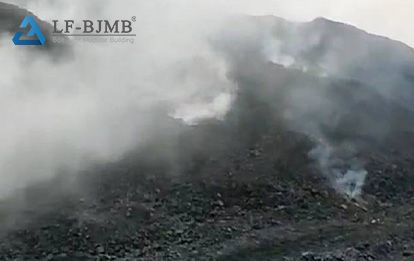
Long-term exposure to the elements—such as rain, strong winds, and intense sunlight—causes significant issues for open-air coal yards, including excessive pollution, material waste, quality degradation, and serious safety hazards. These factors severely hinder compliant operations and efficient production.First, rainwater erosion compromises coal quality. Prolonged exposure to rain and soaking significantly increases the material’s moisture content, directly lowering its calorific value, affecting the quality and stability of production inputs, and reducing raw material utilization efficiency. Second, strong winds cause material loss through dust dispersion. Without protective covering, fine coal particles are easily blown away; over time, this leads to substantial losses—often summarized by the industry adage “one strong wind, ten thousand catties lost”—resulting in ongoing economic losses for the enterprise. Furthermore, the uncontrolled spread of fugitive dust from open-air yards pollutes the air, soil, and water in and around the facility. This easily triggers environmental inspections and administrative penalties, failing to meet green industrial production standards.
Additionally, outdoor operations are heavily constrained by weather conditions. Rain, snow, strong winds, and smog disrupt machinery operation and on-site personnel activities. Issues such as muddy ground and impaired visibility significantly increase safety risks for construction and equipment operation, while also complicating on-site management.
2. Core Advantages and Retrofitting Value of Enclosed Coal Storage Sheds
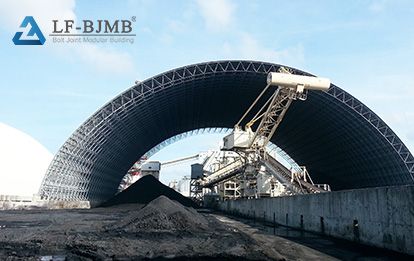
Compared to traditional open-air coal yards, fully enclosed coal storage sheds utilize a complete enclosure structure to fundamentally eliminate the various drawbacks associated with open-air storage, offering significant environmental, economic, and safety benefits.Regarding environmental control, the enclosed structure effectively contains on-site dust, prevents the spread of fugitive dust emissions, and thoroughly resolves pollution issues. This enables enterprises to fully comply with emission standards, avoid the risks of mandatory environmental rectification and penalties, and achieve green, compliant production.In terms of material management, the fully enclosed environment shields the coal from rain and strong winds, stabilizing moisture content and ensuring consistent material quality. It also eliminates material loss caused by wind erosion, significantly reducing coal wastage and generating substantial long-term savings on raw material costs.Regarding the working environment, the enclosed, controllable space eliminates the old operational issues of “dusty conditions on sunny days and muddy conditions on rainy days.” Operations remain unaffected by adverse weather, allowing for continuous, year-round activity; this greatly optimizes on-site working conditions and enhances both machinery efficiency and overall production throughput.Furthermore, retrofitting coal yards with enclosures marks a significant milestone in an enterprise’s transition to green production. It improves the facility’s overall image, aligns with modern industrial trends toward green development, and lays a solid foundation for long-term business viability. Following such retrofits, most projects achieve near-zero fugitive coal dust emissions and a drastic reduction in material loss, resulting in significantly improved overall operational efficiency.
3.Key Reasons for Phasing Out Open-Air Coal Yards and Adopting Enclosed Sheds
Regions across the country are currently advancing targeted remediation campaigns for bulk material storage yards. Due to issues such as high pollution levels, management difficulties, and numerous safety hazards, open-air coal yards have been placed on priority rectification lists, making the enclosure of large-scale industrial coal yards a mandatory environmental requirement.
Driven by a combination of regulatory mandates and voluntary corporate upgrades, enclosed coal storage sheds are comprehensively replacing traditional open-air storage methods. Thanks to their advantages—including safety and compliance, cost reduction and efficiency gains, and environmental sustainability—they have become the mainstream trend in the coal and bulk material storage industry. Whether for new coal storage projects or the upgrading and renovation of existing coal yards, fully enclosed coal storage sheds represent the optimal solution, perfectly aligning with the core requirements of modern industrial safety, eco-friendly operations, and high efficiency.
Conclusion
Traditional open-air coal yards—characterized by significant pollution, high material loss, poor safety, and compliance issues—can no longer meet the demands of the new era regarding green industrial development and environmental regulations. Through a fully enclosed, controllable, and standardized storage model, enclosed coal storage sheds effectively deliver multiple benefits: dust suppression, material preservation, quality enhancement, operational efficiency, and improved safety. They are currently the only mainstream solution for upgrading open-air coal yards. As environmental standards continue to rise, fully enclosed, eco-friendly coal storage sheds will become ubiquitous, serving as standard infrastructure for all types of coal and bulk material storage projects.
Frequently Asked Questions (FAQ)
Q1: Is it mandatory for industrial coal yards to build enclosed storage sheds?
A: Environmental policies in most regions of China now explicitly require large-scale bulk coal yards to implement fully enclosed management. Unprotected open-air coal yards no longer meet current environmental standards, making enclosure upgrades a necessary step for regulatory compliance.
Q2: Is the investment in building an enclosed coal storage shed worthwhile?
A: The long-term economic benefits are substantial. Although there is an initial investment, the shed significantly reduces material loss caused by wind and rain and completely eliminates the risk of environmental penalties and remediation costs. Additionally, it stabilizes product quality and boosts operational efficiency, offering significant long-term advantages in cost reduction and efficiency improvement.
Q3: What key issues can the conversion to an enclosed coal shed resolve?
A: It addresses the four core problems associated with open-air coal yards at the source: fugitive dust pollution, coal quality degradation due to rainfall, material loss caused by strong winds, and operational safety hazards resulting from adverse weather. This comprehensively enhances the coal yard’s compliance, safety, and economic performance.