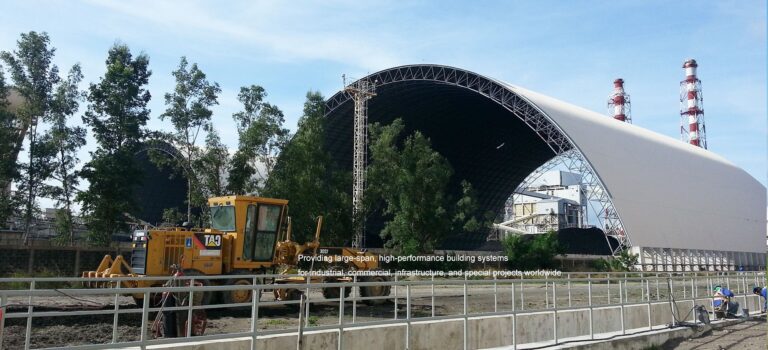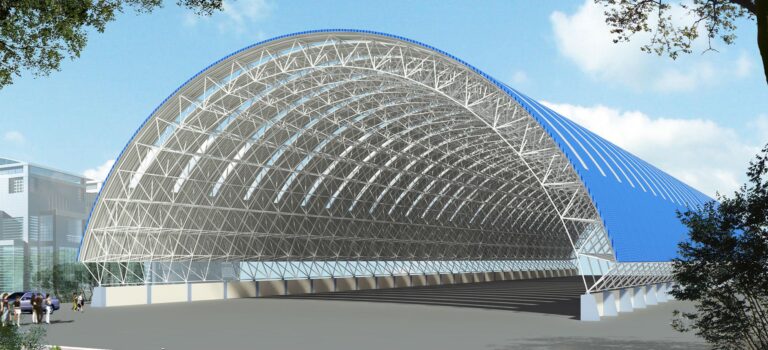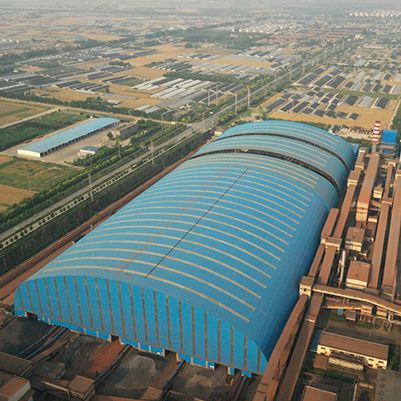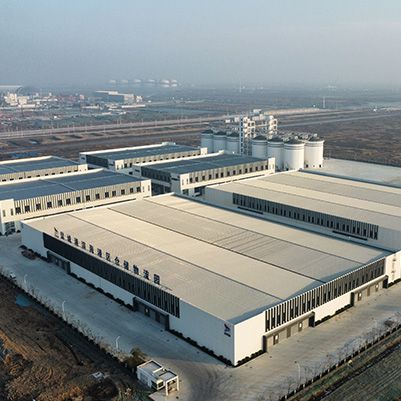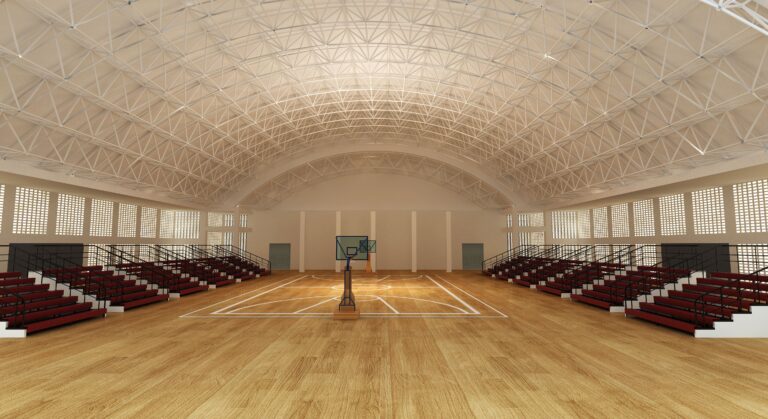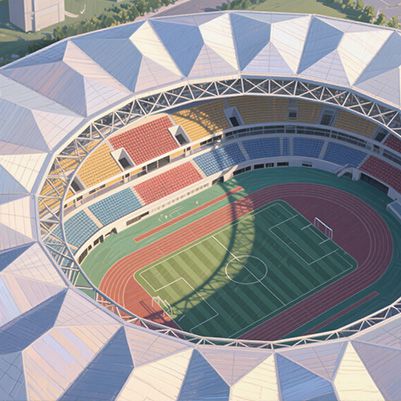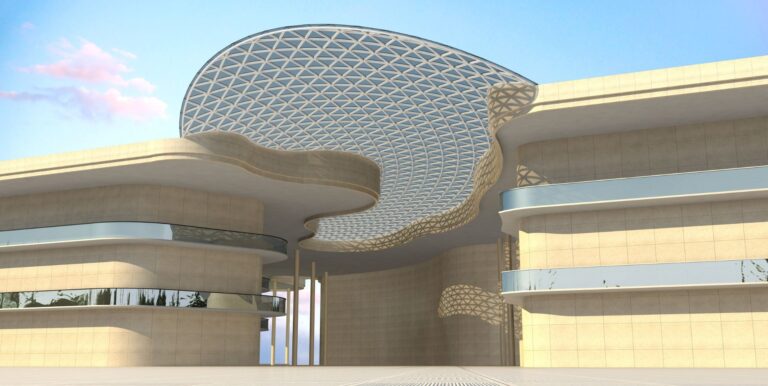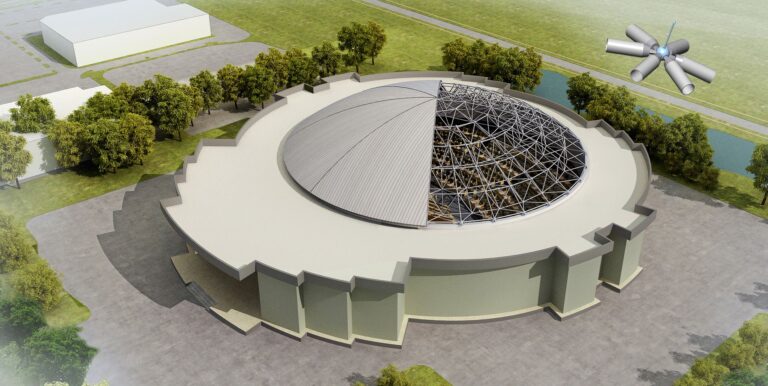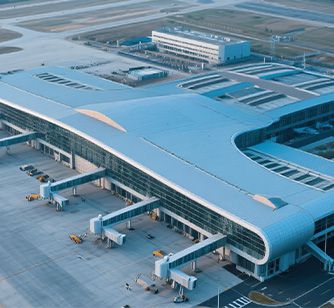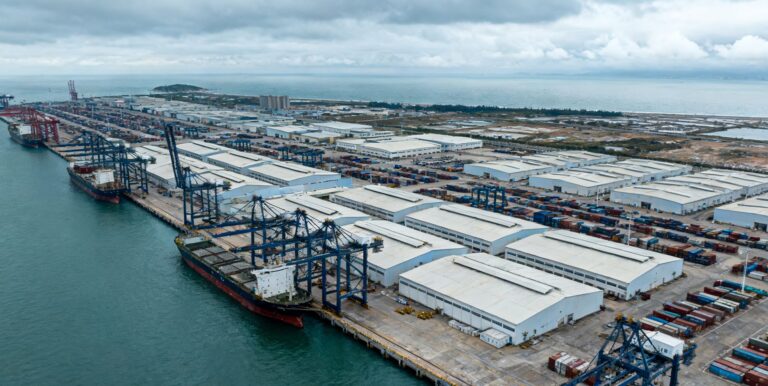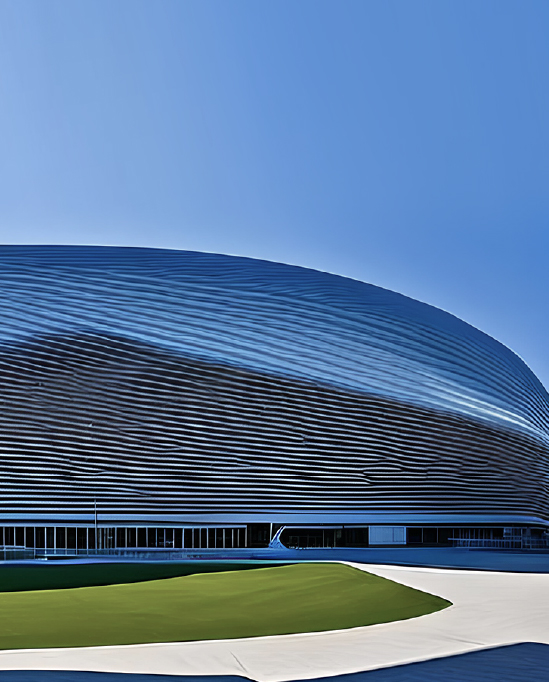


With growing demand for large-scale structures like mosques, shopping malls, and stadiums, steel structures are widely adopted for their large spans and lightweight yet high-strength properties.
However, the construction process involves significant potential risks in areas such as high-altitude work safety, lifting balance control, and on-site welding quality control.
These directly impact construction progress, safety costs, and structural stability.
1. Safety in High-Altitude Operations
High-altitude work is a core component of LF steel structure installation and one of the highest-risk activities. In the Middle East, safety concerns are heightened due to extreme heat, strong winds, and complex terrain conditions.
(1) Common Risks
Construction personnel not equipped with safety harnesses or fall arrest devices, increasing the risk of falls.
Improper maintenance of equipment like suspended platforms and lifts may cause failures, posing life-threatening risks.
Extreme weather conditions increase operational difficulty, leading to worker fatigue or equipment malfunctions.
(2) Mitigation Strategies
Provide internationally certified safety equipment and conduct regular inspections.
Avoid extreme weather by scheduling work during early morning or evening hours.
Implement safety training and emergency drills.

2. Lifting Balance Control
Component swaying and imbalance during lifting, coupled with improper lifting point placement, can cause installation delays, structural deformation, or accidents—particularly prominent in Middle Eastern projects involving large-span trusses or double-layer space frames.
(1) Common Risk Manifestations:
Poor synchronization during multi-point lifting
Eccentric loading due to inconsistent sling lengths
Crane load approaching capacity limits
Component swaying caused by improper lifting speed control
(2) Key Control Measures:
Calculate component center of gravity before lifting to rationally position lifting points;
Employ tension synchronization systems (e.g., hydraulic synchronization systems) to ensure simultaneous lifting/lowering of multiple points;
Pre-set limiters and buffers to prevent violent sway during lifting/lowering;
Assign a dedicated professional signaler to implement a single-person command system for unified coordination.
3. On-site Welding Control
Welding is a critical phase in LF steel structure installation, directly impacting project stability and durability.
(1) Common Risks
Improper operation may cause weld defects like cracks and porosity, compromising component strength.
Poor management of high temperatures and sparks poses fire and burn hazards.
Mismatched welding materials with component metals leads to inconsistent weld quality.
(2) Mitigation Strategies
Establish a comprehensive quality inspection system to ensure weld compliance.
Deploy fire prevention facilities on-site and require protective gear for personnel.
Select appropriate welding materials and techniques based on component material properties.
Conclusion
In the rapidly evolving steel structure construction market, balancing safety and efficiency has become an industry consensus. Addressing the three major risk areas—elevated operations, lifting control, and welding quality—LFBJMB develops control solutions tailored to local regulations and environmental requirements based on actual project conditions.
Looking ahead, the widespread adoption of Building Information Modeling (BIM) and intelligent monitoring systems will make steel structure installation more controllable, visible, and traceable.
For further guidance on steel construction standards, material selection, or project bidding, feel free to reach out. LFBJMB Steel Structures offers customized technical solutions and construction support tailored to your needs.
FAQ
1.What are the main risks of steel structure installation?
The main risks of steel structure installation include falls from heights, imbalances during lifting operations, component swaying, crane overloading, and on-site welding defects.
Extreme weather conditions, such as high temperatures and strong winds, can further exacerbate these risks, especially in large-span projects.
2.How to control safety risks during high-altitude steel structure installation?
High-altitude work safety can be controlled by providing appropriate fall protection equipment, regularly inspecting suspended platforms and lifting equipment, conducting safety training, and implementing emergency response procedures.
In hot climates, installation schedules should also avoid periods of extreme heat as much as possible.
3.How do extreme temperatures affect steel structure construction in the Middle East?
Extreme temperatures exacerbate worker fatigue, reduce work efficiency, and affect the reliability of construction equipment.
Therefore, steel structure installation in the Middle East should consider reasonable working hours, rest periods, equipment inspections, and weather monitoring.