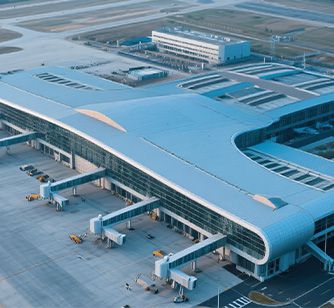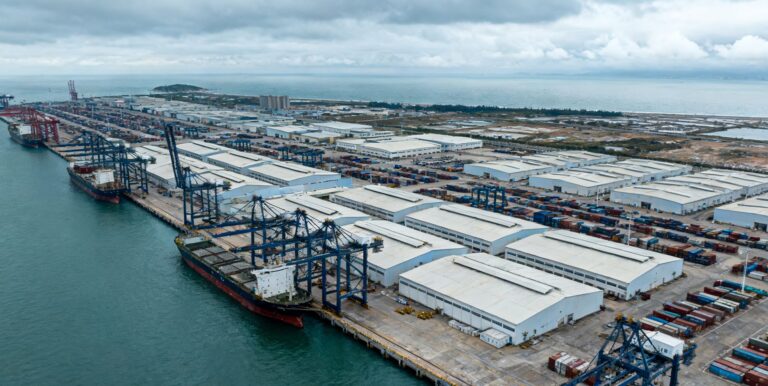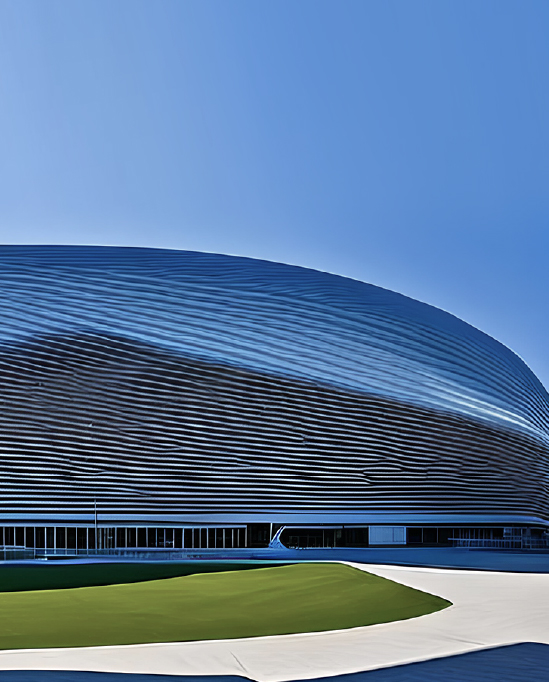


Sports venue roofing differs significantly from roofing for ordinary buildings.
Large spans create additional structural requirements. Outdoor exposure also subjects the roof to wind, rain, sunlight, and temperature changes.
The roof plays an important role in the overall building envelope. Its design affects thermal performance, waterproofing, durability, maintenance, and long-term operating costs.
Common roofing solutions for sports venues include sandwich panels, single-layer profiled steel sheets, composite roofing systems, and daylighting panels.
Each system offers different levels of thermal insulation, waterproofing, durability, weight, cost, and maintenance requirements.
The right choice depends on the venue type, local climate, roof structure, project budget, and expected service conditions.
This guide compares the main roofing options and explains how to select a suitable system for different sports venue projects.
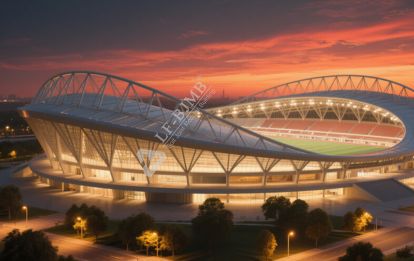
1. Mainstream Roofing Material Types and Characteristics for Sports Venues
Sports venue roofs can use several different systems. Four common options include:
- Sandwich panel roofing
- Single-layer profiled steel sheet roofing
- Composite roofing systems
- Daylighting panels and skylights
These systems serve different project requirements.
The choice should consider more than the material price. The project team should also evaluate thermal performance, waterproofing, durability, structural weight, installation, and future maintenance.
1.1 Sandwich Panel Roofing
Sandwich panels consist of two metal sheets with an insulating core between them.
The factory-made panel combines the roof covering and insulation into one component. This design can simplify installation and reduce on-site work.
Sandwich panels can provide good thermal insulation and relatively efficient installation.
They are often suitable for:
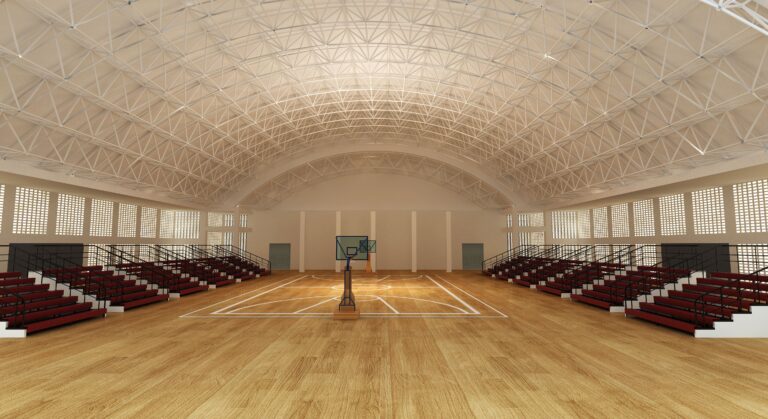
- Small and medium-sized indoor sports venues
- Training facilities
- Multipurpose sports halls
- Community sports centers
- Projects with relatively simple roof geometry
The actual performance depends on the panel type, core material, thickness, coating, joint design, and installation quality.
For projects in coastal or highly corrosive environments, the design team should select suitable materials and corrosion protection rather than relying on a standard panel specification.
1.2 Single-Layer Profiled Steel Sheet Roofing
Single-layer profiled steel sheets provide a lightweight and relatively simple roofing solution.
They can reduce roof dead load and may help simplify the supporting steel structure.
However, a single metal sheet does not provide the same integrated insulation as a sandwich panel.
The project may therefore require additional insulation, vapor control, or waterproofing layers.
This system can suit:
- Outdoor grandstands
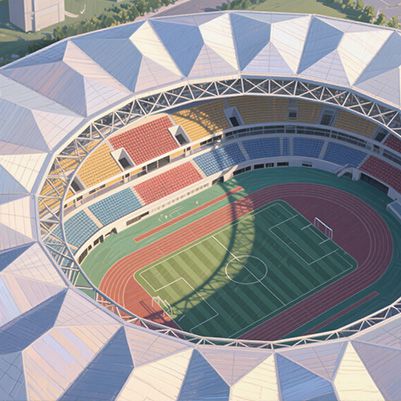
- Open-air stadiums
- Covered sports facilities
- Temporary venues
- Projects with relatively simple performance requirements
Designers should pay particular attention to condensation, thermal performance, joint detailing, and corrosion protection.
A low material cost does not necessarily mean a low total project cost.
1.3 Composite Roofing Systems
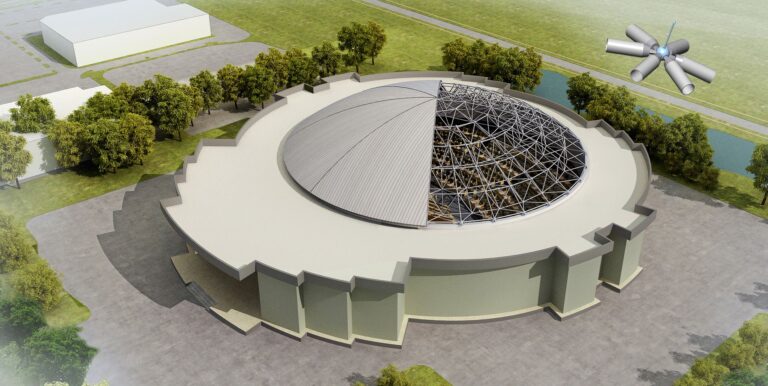
Composite roofing systems are frequently used in large-scale specialized venues. They consist of multiple layers—including a base panel, insulation layer, waterproof membrane, vapor barrier, and exterior finish—stacked together.
Each layer serves a distinct function, offering a well-balanced combination of thermal insulation, waterproofing, wind resistance, and weather resistance. These systems are suitable for large-span, irregularly shaped roofs as well as harsh environments such as strong winds, heavy rain, high temperatures, and coastal salt fog, making them the preferred choice for large-scale competition venues and complex overseas projects.
1.4 Daylighting Roofs (Daylighting Strips/Skylight Panels)
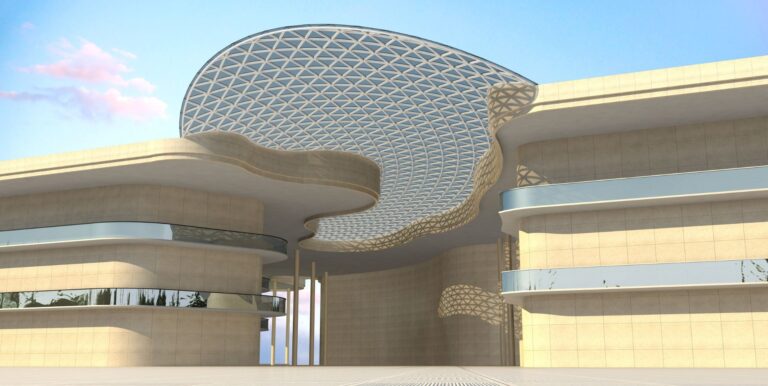
Daylighting roofs primarily use translucent panels such as PC and FRP, specifically designed for natural lighting in venues, and are typically used in conjunction with metal roofs.
They reduce daytime lighting energy consumption and enhance the sense of openness indoors, making them widely used in sports arenas, swimming pools, and tennis courts.
However, translucent panels lag significantly behind metal roofs in terms of weather resistance, thermal insulation, and waterproofing; joints require specialized treatment, and they are not suitable for replacing metal roofs over large areas.
2. Cross-Comparison Across Five Dimensions
2.1 Cost Dimension
Single-layer profiled steel sheets have the lowest unit price and offer the most cost-effective procurement and construction costs;
Sandwich panels fall in the middle, offering good overall value for money; skylight panels have a moderate unit price, but the cost of associated waterproofing details is relatively high;
Composite roofing systems involve multiple material layers, complex processes, and high construction precision requirements, resulting in the highest initial cost.
Composite roofing systems generally involve higher initial costs because they use multiple materials and require more installation steps. However, the final cost depends on the complete roof specification, project size, local material prices, labor costs, and installation conditions.
2.2 Thermal Insulation Dimension
Thermal performance varies significantly between roofing systems.
Composite roofing systems can provide high thermal performance when the insulation layer and vapor control system are properly designed.
Sandwich panels also provide integrated insulation. Their performance depends on the core material, panel thickness, thermal bridges, and joint treatment.
Daylighting panels generally provide less thermal insulation than insulated opaque roof assemblies. Large areas of translucent material can also increase solar heat gain.
Single-layer profiled steel sheets provide little thermal resistance on their own.
Projects using single-layer sheets may therefore require separate insulation and condensation-control measures.
For hot climates, the roof design should consider both insulation and solar heat gain.
2.3 Waterproofing Performance
Composite roofing systems feature multi-layered protection, high structural redundancy, and mature joint construction techniques, resulting in a long waterproofing lifespan and extremely rare leaks;
Sandwich panels are well-sealed as a whole, but there is a risk of water seepage as panel joints age over time;
Single-layer profiled steel sheets rely on interlocking joints, which are prone to loosening and leaks due to strong winds and thermal expansion and contraction;
Skylight roofs are the weakest point in the entire structure’s waterproofing; aging adhesive joints and panel deformation can easily cause leaks, making them a high-risk area for leaks in the venue.
2.4 Durability and Weather Resistance
Composite roofing systems excel in resistance to UV radiation, wind, corrosion, and temperature fluctuations, making them well-suited for extreme environments such as coastal salt fog, typhoons, and heavy rains;
Sandwich panels are suitable for standard climates, but their surface coatings may age and fade after prolonged exposure to sunlight; single-layer profiled steel sheets have relatively thin coatings, making them prone to rust and resulting in a shorter service life;
Skylight panels are prone to chalking, cracking, and reduced light transmittance after prolonged exposure to sunlight, and their durability is relatively weak.
2.5 Maintenance Difficulty
Single-layer profiled steel sheets and skylight roofs require frequent maintenance, including periodic sealant reapplication, rust removal, and replacement of aged panels;
Sandwich panels require moderate maintenance and can operate reliably with routine inspections;
Composite roofing systems feature structural stability and a low failure rate, offering the lowest maintenance costs over the entire life cycle and the least long-term operational burden.
3. Selection Logic: Why Can’t Roofing Be Judged Solely by Material Unit Price?
In many sports venue projects, roofing costs exceed budgets and subsequent defects occur frequently; the root cause is often a focus solely on material unit prices while neglecting total life-cycle costs.
Low-cost single-layer profiled steel sheets and ordinary skylight panels
While they offer significant initial cost savings, they provide poor thermal insulation, have high leakage rates, and age rapidly. They require annual repairs for leaks, rust removal, and refurbishment, and may develop widespread defects within 3–5 years.
The cumulative costs of subsequent repairs, rework, and replacements are very high.
Composite roofing and high-quality sandwich panels, while more expensive initially, offer stable waterproofing, excellent thermal insulation, and a long service life. They require no major repairs for over a decade, resulting in lower overall costs.
Roof selection should be based on the climate conditions of the project location:
In areas prone to typhoons and heavy rain, coastal salt fog, or high temperatures and intense sunlight, prioritize roofing systems with high durability and waterproofing performance;
For inland areas with typical climates and small-to-medium-sized venues, sandwich panels offering good value for money are a suitable choice;
For simple grandstands, single-layer profiled steel sheets may be used.
Therefore, the selection process should not focus solely on the unit price of materials but must consider both initial construction costs and long-term operation and maintenance expenses together—the material with the lowest unit price is often the most expensive solution over its full life cycle.
Conclusion
There is no one-size-fits-all solution for sports venue roofing; the only distinction is whether a solution is suitable for the specific application.
Sandwich panels, single-layer profiled steel sheets, composite roofing, and skylight roofing each have their own suitable applications, corresponding to different venue types and climatic conditions.
The key to selection is to first clarify the climatic characteristics of the project location and the venue’s purpose, and then, based on this, balance initial construction costs, thermal insulation, waterproofing, durability, and long-term operation and maintenance. Only then can a stable, energy-efficient, and long-lasting roof system be achieved.
FAQ Frequently Asked Questions
Q: What is the most recommended roofing system for large sports venues?
A: For large-scale competition venues and projects in complex overseas environments, multi-layer composite roofing systems are the preferred choice due to their superior overall performance.
Q: What is the most cost-effective roofing material for small and medium-sized venues?
A: For standard indoor sports arenas, high-quality sandwich panels with good thermal insulation properties are recommended to strike a balance between cost, insulation, and waterproofing.
Q: Are most roof leaks caused by material issues?
A: In most cases, the issues stem from joint detailing, construction precision, and material compatibility—not solely from material quality.
Have a sports venue project in planning? Contact the LFBJMB team for a tailored roofing and steel structure solution based on your project requirements.