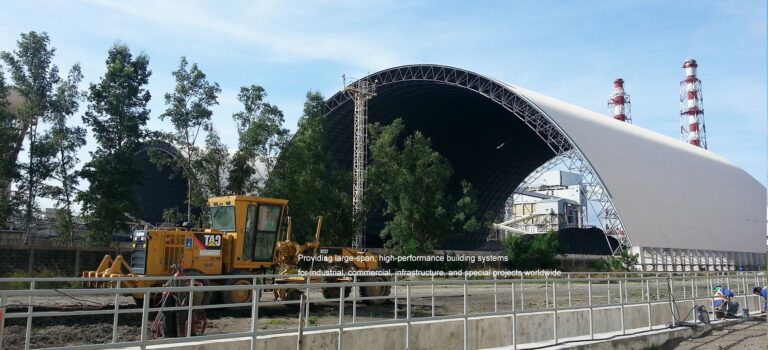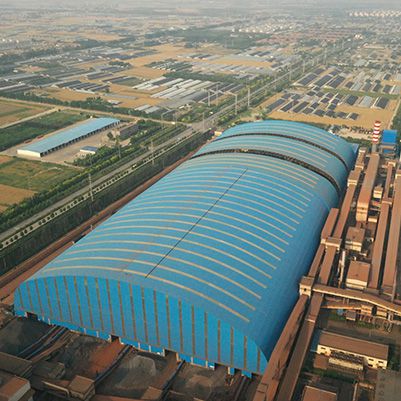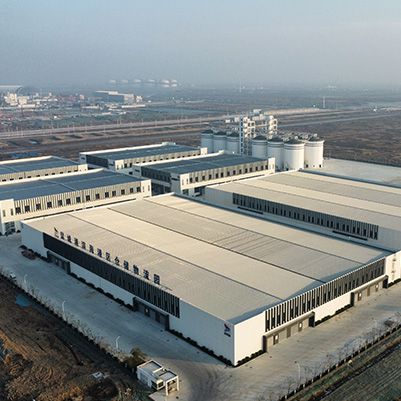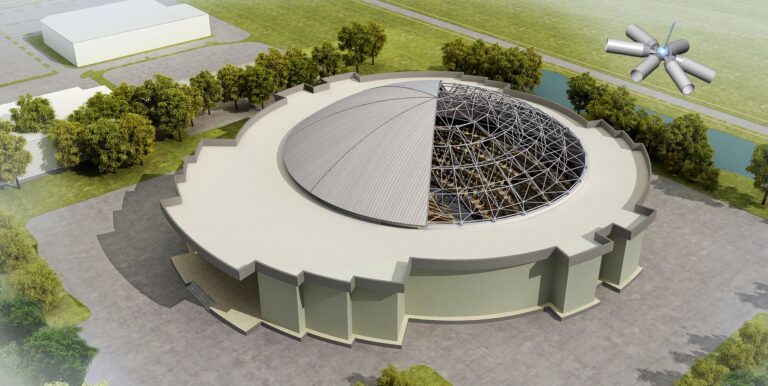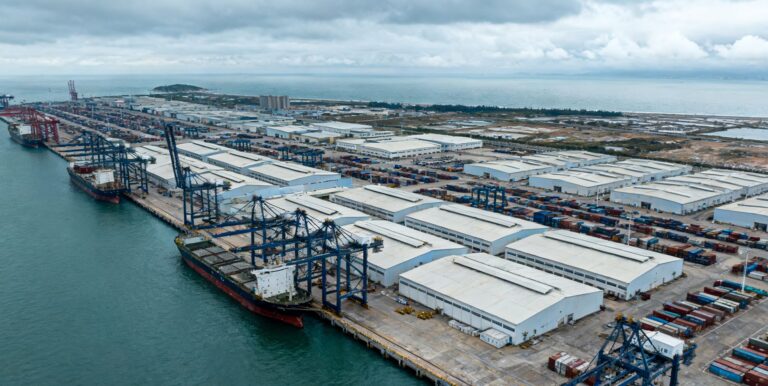
Steel structures play an important role in modern architecture. Their high strength and rapid construction make them suitable for industrial buildings, stadiums, bridges, and skyscrapers. However, steel faces a lethal “natural enemy” in any environment: rust. Beyond merely compromising aesthetics, rust continuously erodes the steel’s cross-section, posing a direct threat to structural integrity. Consequently, rust removal is a critical, indispensable step in the coating and maintenance of steel structures.
1. Why Is Rust Removal Essential for Steel Structures?
Before choosing a cleaning method, project teams should understand why surface preparation matters. Untreated rust can cause three major problems.
1.1 Poor Coating Adhesion
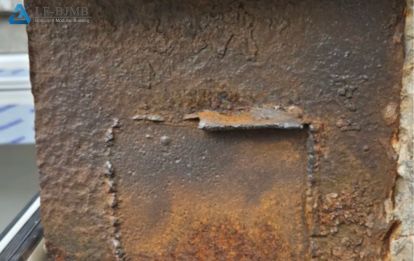
Rust forms a loose and porous layer on steel surfaces. This layer prevents protective coatings from bonding properly with the base metal.
As a result, the coating may peel, blister, or flake prematurely. Proper rust removal creates a suitable surface for coating application.
1.2 Continued Corrosion Beneath Coatings
Applying paint over loose rust does not stop the corrosion process. Moisture and other corrosive agents may remain beneath the coating.
Over time, corrosion can spread through weak points in the protective layer. This may cause further coating failure and steel deterioration.
1.3 Higher Maintenance Costs
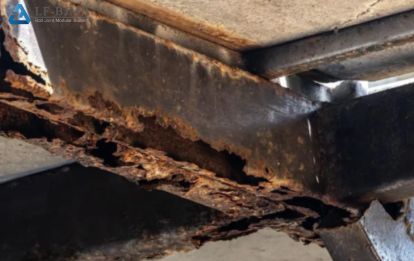
Poor surface preparation often leads to premature coating failure. Consequently, owners may need more frequent repairs and repainting.
These problems increase maintenance expenses and may interrupt normal operations.
The purpose of rust removal is not simply to eliminate visible rust. It is to prepare a clean surface with suitable roughness for the selected protective coating.
2. Common Rust Removal Methods for Steel Structures
Rust removal methods generally fall into three categories: mechanical cleaning, chemical treatment, and manual cleaning.
Each method has different equipment requirements, cleaning capabilities, and application conditions.
2.1 Mechanical Rust Removal
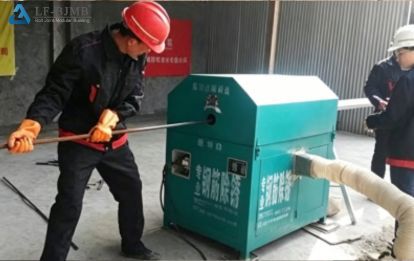
Mechanical cleaning is widely used in steel fabrication and maintenance. It relies on abrasive materials or powered tools to remove rust, mill scale, and old coatings.
2.1.1 Abrasive Blasting (Sandblasting and Shot Blasting)
Abrasive blasting uses compressed air or mechanical equipment to propel abrasive materials against steel surfaces.
Common abrasives include steel shot, steel grit, garnet, and other suitable blasting media. Their impact removes rust, mill scale, and existing coatings.
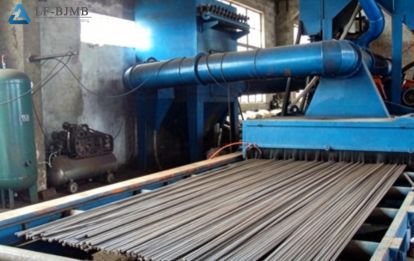
Advantages: Highly efficient and provides the best surface quality. It also creates a uniform and controllable surface profile. This increases the contact area and helps coatings achieve better adhesion.
Disadvantages: Requires substantial capital investment in equipment; generates dust, necessitating professional dust collection and recovery systems.
Applications: Large-scale steel structures (e.g., industrial buildings, bridges, ships, and heavy machinery) during new construction or major overhauls where high-quality coating is required.
Standards: Inspectors typically use the “Sa” scale to assess surface cleanliness. (e.g., Sa 2.5 for “very thorough” cleaning, Sa 2 for “thorough,” and Sa 1 for “light” cleaning).
2.1.2 Power Tool Cleaning
Power tool cleaning uses electric or pneumatic equipment to remove rust and loose surface contaminants.
Common tools include angle grinders, wire brushes, abrasive discs, and needle scalers.
Each tool serves a different purpose:
Wire wheels: Clean relatively light rust and surface contamination.
Angle grinders and abrasive discs: Remove rust and old coatings through rotational abrasion.
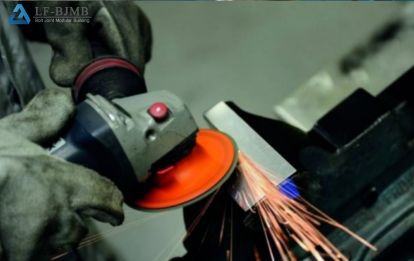
Needle scalers: Utilize a bundle of steel needles that strike and scrape the surface simultaneously; particularly effective for irregular areas such as weld seams, holes, and corners.
Scaling hammers/chisels: Used for knocking away thick, localized layers of rust.
Advantages: Highly portable and flexible with low equipment costs; ideal for localized repairs and on-site construction.
Disadvantages: Less efficient than abrasive blasting; surface roughness is difficult to control, and there is a risk of “polishing” the surface, which can negatively affect coating adhesion.
Applications: Small-to-medium-scale projects, treatment of weld seams, localized maintenance, and scenarios where abrasive blasting is not feasible.
Standards: Inspectors typically use the “St” scale to assess surface cleanliness. (e.g., St 2 for “thorough” cleaning and St 3 for “very thorough” cleaning).
2.2 Chemical Rust Removal
Chemical rust removal uses acidic solutions or other chemical products to dissolve or loosen iron oxides.
Industrial pickling processes often use controlled chemical baths. Some specialized products also support localized rust treatment.
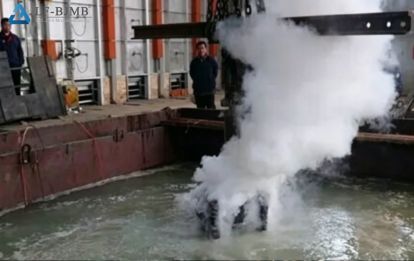
Advantages: Provides uniform surface treatment; capable of treating complex shapes and intricate structures; generates no dust.
Disadvantages: Significant environmental impact (waste acid requires professional disposal); sensitive to material composition (unsuitable for certain alloys); risk of secondary corrosion if residual acid is not thoroughly cleaned off.
Suitable Applications: Precision components, small complex structures, laboratory equipment, etc.
Precautions: Operators must wear appropriate personal protective equipment (PPE), ensure adequate ventilation, and comply with all environmental regulations.
2.3 Manual Rust Removal
Manual cleaning uses simple tools such as wire brushes, scrapers, sandpaper, and hand-held hammers.
Workers remove loose rust, dirt, and flaking coatings through manual scraping and brushing.
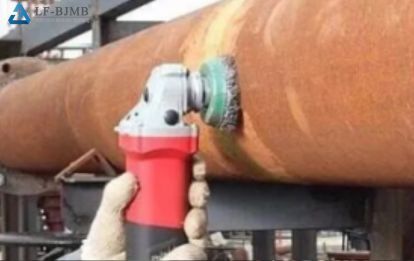
Advantages: Tools are extremely simple; lowest cost; virtually no environmental constraints.
Disadvantages: Highly labor-intensive; very low efficiency; poor quality of rust removal—capable only of removing loose surface rust and flakes, but unable to clear firmly adhered mill scale.
Suitable Applications: Used for supplementary cleaning or as a preliminary treatment in highly restricted environments with minimal requirements. In modern professional engineering, this should never be used as the primary method for rust removal.
3. How to Choose the Right Rust Removal Method?
The best method depends on project scale, coating requirements, site conditions, and the existing corrosion condition.
Project teams should evaluate these factors before selecting equipment and cleaning procedures.
3.1 Consider Project Scale and Budget
Large fabrication projects and major refurbishments often benefit from abrasive blasting.
Although equipment and setup costs may be higher, the method offers efficient cleaning over large areas. It also helps achieve consistent surface preparation.
For small maintenance tasks, power tool cleaning may be more economical. Manual methods can also support localized cleaning where requirements are less demanding.
3.2 Match Surface Preparation to Coating Requirements
Different protective coatings require different levels of surface preparation.
For example, many high-performance epoxy and zinc-rich coating systems specify Sa 2½ abrasive blast cleaning.
However, this is not a universal requirement. Some coating products allow power tool cleaning when the substrate condition and project specifications permit it.
Therefore, project teams should follow the coating manufacturer’s technical data sheet and the approved project specification.
The selected preparation grade must also meet the required surface profile, cleanliness, and contamination limits.
3.3 Evaluate On-Site Construction Conditions
Working environments can influence the choice of rust removal equipment.
Factory environments:
Shot-blasting production lines are often suitable for fabricated steel components. They offer controlled processing conditions and efficient material handling.
Outdoor construction sites:
Mobile abrasive blasting equipment works well for large exposed surfaces. Power tools provide an alternative for localized work and restricted areas.
Dust-sensitive environments:
Vacuum-assisted blasting, wet abrasive blasting, and other controlled preparation methods may help reduce airborne dust.
Chemical cleaning may also be considered when the component and process are suitable.
4. Corrosion Status:
Grade D corrosion (surface entirely covered with mill scale and rust): Requires abrasive blasting or heavy-duty power tool cleaning.
Grade C corrosion (surface showing rust with partial flaking of mill scale): Can be thoroughly treated using power tools.
Grade B/A corrosion (virtually rust-free): May only require light power tool cleaning or manual cleaning.
Post-Rust Removal: Surface Preparation and Coating
Rust removal is merely the first step; subsequent treatments are equally critical:
Cleaning: Immediately after rust removal, all dust and debris must be cleared from the surface using compressed air, brushes, or a vacuum cleaner.
Inspection: Verify that the surface cleanliness and roughness meet the required standards by comparing them against reference photographs or sample panels.
Coating: The first coat of primer must be applied before “flash rust” (re-rusting) occurs—typically within 4–8 hours, or even sooner in high-humidity environments. This timeframe is known as the “coating window.”
Conclusion
Rust removal is a critical stage in steel structure corrosion protection. Proper surface preparation improves coating adhesion and helps extend the service life of protective systems.
Abrasive blasting offers high efficiency and reliable surface preparation for many large-scale projects. Power tools provide flexibility for localized maintenance. Chemical treatment and manual cleaning also have specific applications.
However, no single method suits every project. The right choice depends on the existing corrosion condition, coating requirements, project scale, and construction environment.
By following recognized surface preparation standards and applying suitable inspection procedures, project teams can improve coating quality and reduce long-term maintenance costs.