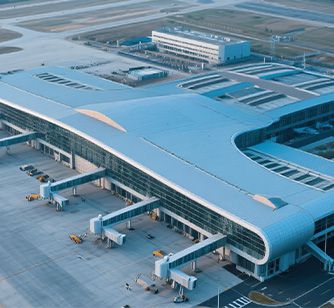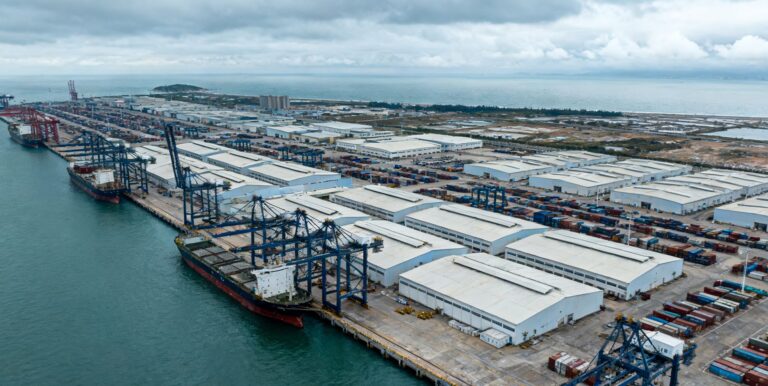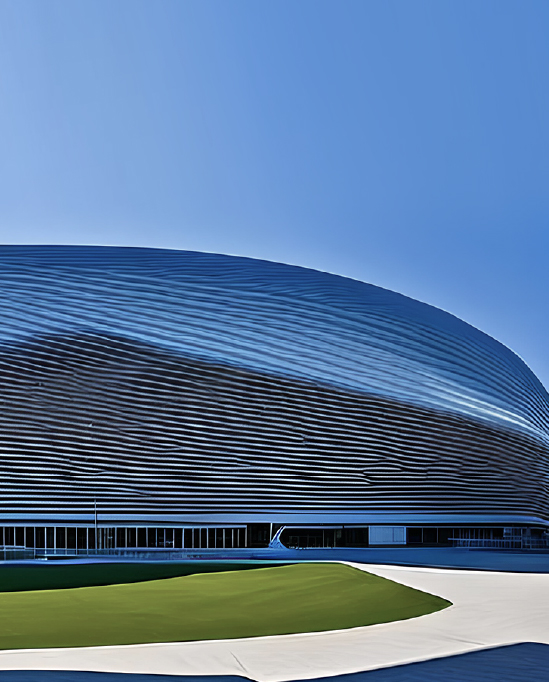


An inflatable membrane structure is an important type of lightweight structure. It uses air pressure to provide stiffness and stability to a flexible membrane system. As a result, the structure can maintain its designed shape while covering large spans with relatively little structural weight.
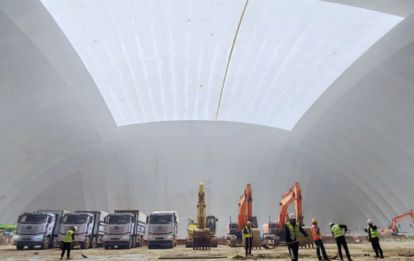
1.Types of Membrane Materials
Membrane materials form the main part of an inflatable membrane structure. They provide both sealing and load-bearing functions. Therefore, the choice of membrane material directly affects the structure’s usability, durability, and safety.
There are several common types of membrane materials:
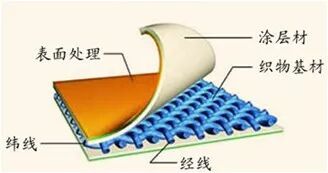
① Fabric membrane materials
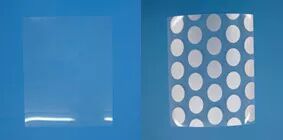
② Thermoplastic polymer membrane materials
③ Other membrane materials
For example, some membrane materials combine flexible solar cells with the membrane surface to generate electricity. Other advanced materials include ultra-flexible and repeatedly foldable expanded polytetrafluoroethylene (ePTFE) fiber membranes.
In addition, manufacturers can use various mesh membrane materials when they need light transmission and air permeability.
2.Types and Composition of Cables
Cables typically consist of cable bodies and anchors. In inflatable membrane structures, engineers commonly use steel wire ropes, steel strands, or non-metallic cables for the cable bodies.
These cables help stabilize the membrane and transfer loads to the supporting system. Therefore, cable selection plays an important role in the overall structural performance.
3.Classification and Characteristics of Inflatable Membrane Structures
Inflatable membrane structures generally fall into two main categories.
First, air-supported membrane structures use continuous air pressure to support the membrane. These structures are commonly used in industrial buildings and large-span facilities.
Second, air-inflatable membrane structures use inflated structural components such as air ribs, air cushions, or air bags. These systems are often suitable for public buildings and architectural applications that require more flexible forms.
3.1Characteristics of Air-Supported Membrane Structures:
3.1.1Good economic efficiency: low cost
3.1.2Meets the needs of large spans and large spaces, with high safety
3.1.3Short construction period, can be disassembled and moved as a whole
It can provide quick and convenient large-span architectural spaces for holding large-scale events and temporary exhibition halls.
3.1.4Energy-saving and environmentally friendly, with strong applicability
The energy-saving effect is mainly based on the airtightness, heat insulation, and light transmission of this type of building. The membrane material itself can be recycled.
3.2Characteristics of Air-cushion Membrane Structures
3.2.1Beautiful architectural design and superior building physical functions
3.2.2Lightweight structural system, convenient construction and installation
3.2.3Energy-saving and environmentally friendly, easy to maintain
3.2.4Excellent fire resistance
3.2.5Long service life
4.Difference between Inflatable Membrane Structures and Membrane Structures
Inflatable membrane structures are a type of membrane structure. Both are constructed using membrane materials. The main difference lies in the support and installation methods.
Membrane structures mainly consist of membrane material, steel cables, and supports. Tension is created in the membrane material through the stretching action of the steel cables to achieve a fixed structural form.
Inflatable membrane structures, on the other hand, achieve a stable form through air pressure differences. For example, a single-layer inflatable membrane structure must be a closed space and requires continuous inflation to maintain a certain indoor-outdoor air pressure difference to maintain its shape. Inflatable membrane structures, however, can be used directly as structural components.
5.Advantages and Disadvantages of Air-Inflatable Membrane Structures
The biggest advantages of air-inflatable membrane structures are their ease of installation and economical cost, making them particularly suitable for large-span workspaces and enabling the creation of curves and flexible structures unattainable by traditional buildings.
However, compared to tensile membrane structures and air-supported membrane structures, air-supported membrane structures require the installation of an inflation control system and equipment. Larger single-layer air-inflatable membrane structures require more specialized equipment and complex commissioning processes.