

Overview
Roof light bands, side wall skylights, and roof skylights are the three main types of natural lighting systems used in steel-structured warehouses. They differ significantly in terms of lighting efficiency, installation location, cost, waterproofing, and suitable applications. First, let’s use a table to clearly outline the differences between these three.
1.Comparison Table of the Three Warehouse Lighting Systems
| Lighting Method | Key Advantages | Suitable Warehouse Projects |
| Roof Skylight Strips | Cost-effective, easy to install, strong overall continuity, uniform light distribution, low risk of water leakage; suitable for large-area roofs; requires virtually no specialized maintenance | Large-span steel-structured warehouses, logistics centers, storage yards, industrial plants, warehouses with large-area flat or curved roofs |
| Side Wall Skylights | Simple structure, combines daylighting with ventilation, easy to maintain, easy to replace if damaged, improves lighting in the areas surrounding the warehouse | Small- to medium-span warehouses, street-facing factory buildings, warehousing structures requiring side ventilation and with low demand for overhead daylighting |
| Roof Skylights | Highest natural light intake, excellent light transmission, and attractive appearance; some models can be integrated with ventilation systems, significantly brightening the interior | High-end warehouses, precision material warehouses, showcase-style industrial buildings, and smart warehouses with extremely high indoor illuminance requirements |
Roof Skylight Strips
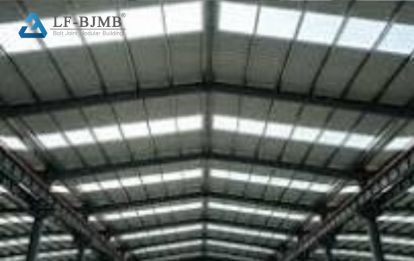
Roof light bands currently serve as the most widely used natural lighting solution in steel-structured warehouses and industrial plants. Manufacturers typically make them from FRP skylight panels and install them continuously along the roof slope.
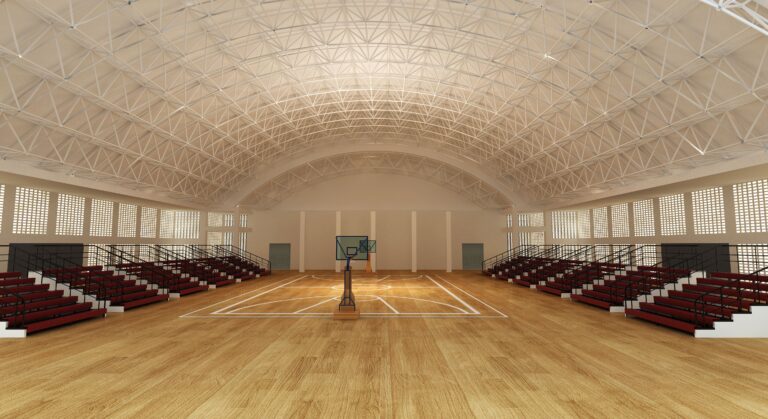
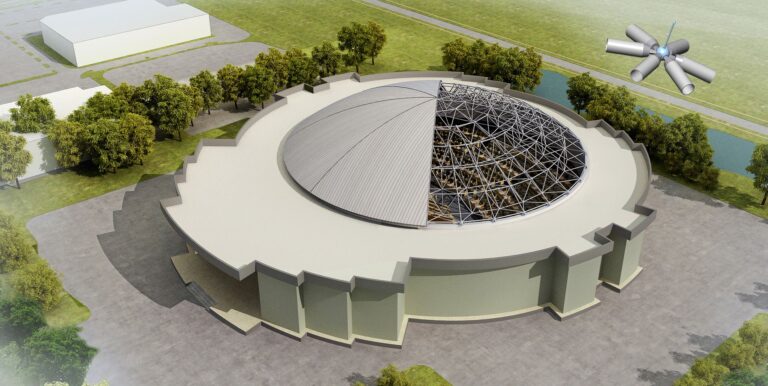
The main features of roof skylight strips are uniform lighting with no blind spots, and they adapt well to various types of long-span roofs, such as Bolt ball structures, tubular trusses, and portal frames.
Compared to the other two methods, skylight strips do not have the waterproofing risks associated with scattered openings. They maintain good overall roof integrity, are stable against wind and rain, are quick to install, have a low overall cost, and require virtually no special maintenance.
The drawback of skylight strips is that their light transmittance is slightly lower than that of dedicated skylights (approximately 60–80% for skylight strips versus 80–90% or higher for skylights; actual figures may vary), but they can meet the daytime lighting needs for operations in the vast majority of industrial warehouses, making them a more cost-effective choice that balances practicality and economy.
Sidewall Skylights
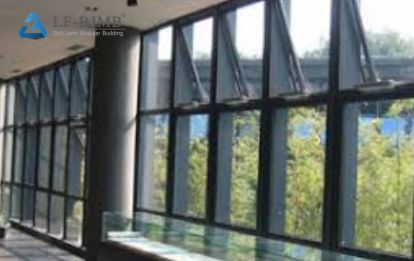
Sidewall skylights sit in the warehouse walls and provide auxiliary side lighting. They do not rely on roof openings, do not compromise roof waterproofing, and offer high safety.
Sidewall skylights primarily optimize indoor brightness in areas adjacent to the walls; most are openable, providing natural ventilation as well—killing two birds with one stone.
However, side skylights have a significant limitation: light can only reach the edges of the warehouse. For large warehouses with deep depths and wide spans, the center of the interior remains relatively dark. They cannot meet overall lighting needs on their own and should only be used as a supplementary complement to roof lighting; they are not suitable as a primary lighting system.
Roof Skylights
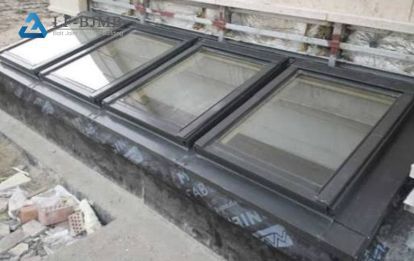
Roof skylights provide a high-end roof lighting solution. Manufacturers typically supply them as modular, prefabricated units. They feature high-performance translucent materials and offer higher overall lighting efficiency than light strips, significantly brightening the interior and creating a clear, bright environment.
Some smart skylights can be opened electrically, combining multiple functions such as daylighting, ventilation, and smoke exhaust, making them suitable for high-standard warehouse buildings.
The main drawbacks of skylights are their high cost, complex installation process, numerous waterproofing details at the cut-out openings, and high requirements for installation precision. They also require regular maintenance of waterproofing and sealing components, resulting in higher operational and maintenance costs (the cost is typically about 2–3 times that of light strips, subject to actual conditions).
Skylights offer poor cost-effectiveness for standard industrial warehouses and are better suited for projects with high requirements for indoor illuminance and building quality.
How to Select the Right Lighting Solution for a Warehouse?
For conventional large-span logistics warehouses, industrial storage facilities, and enclosed yard projects, roof skylight strips should be the first choice. They provide a balanced combination of lighting effectiveness, cost, and waterproofing safety, offering high cost-effectiveness.
For small- to medium-span production support warehouses that prioritize side ventilation, sidewall skylights can be used to supplement lighting and facilitate air circulation.
For high-end smart warehouses, precision material storage facilities, and projects with high requirements for indoor lighting and architectural quality, roof skylights are recommended to achieve high-intensity lighting and multifunctional adaptability.
Summary
There is no absolute “better” or “worse” among roof skylight strips, sidewall windows, and roof skylights; the choice depends solely on the specific application.
For large-span steel-structured warehouses seeking to balance lighting effectiveness, waterproofing safety, and construction costs, roof skylight strips are the most versatile and mainstream solution.
Frequently Asked Questions (FAQ)
Q1: Which is better for warehouses—roof skylight strips or skylights?
A: For standard industrial warehouses, roof skylight strips are the preferred choice due to their cost-effectiveness, reliable waterproofing, and simple maintenance. For high-end, high-standard warehouses, skylights are an option; they provide better natural lighting but come with higher construction and maintenance costs.
Q2: Can sidewall windows replace roof skylight strips?
A: Generally, no. Side windows have a limited lighting range and cannot cover the central areas of large-span warehouses; they should only be used as supplementary lighting.
Q3: Do roof skylight strips leak or deteriorate over time?
A: When skylight panels are installed in accordance with standard roofing practices, they provide good overall continuity and low risk of water leakage. With a long service life under normal use, they are a very reliable lighting solution for industrial warehouses.