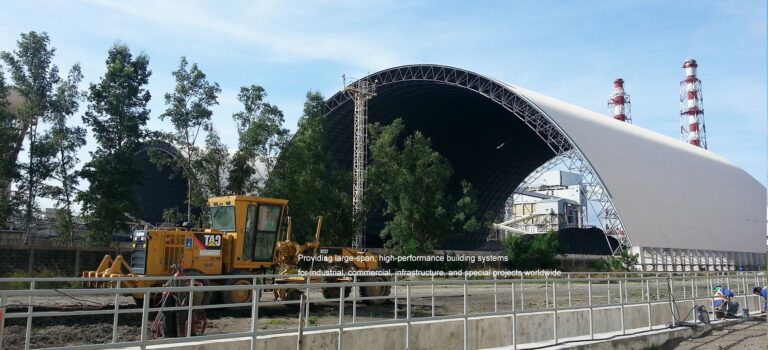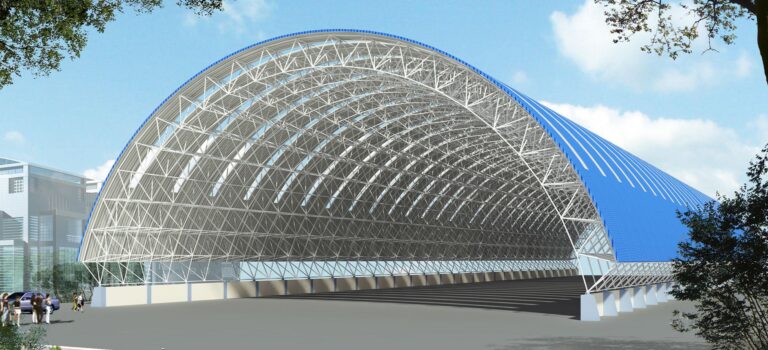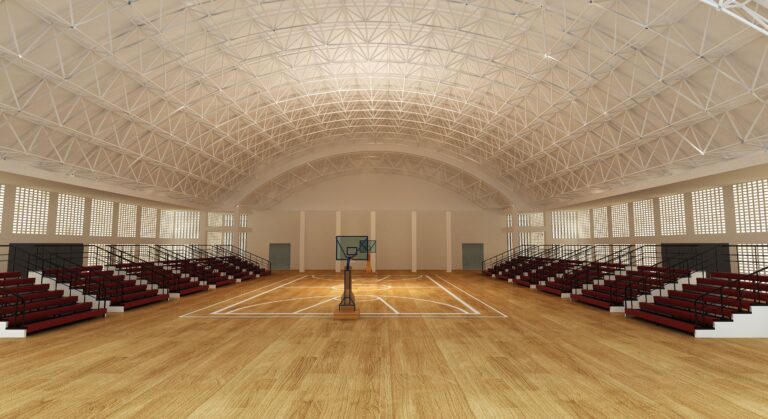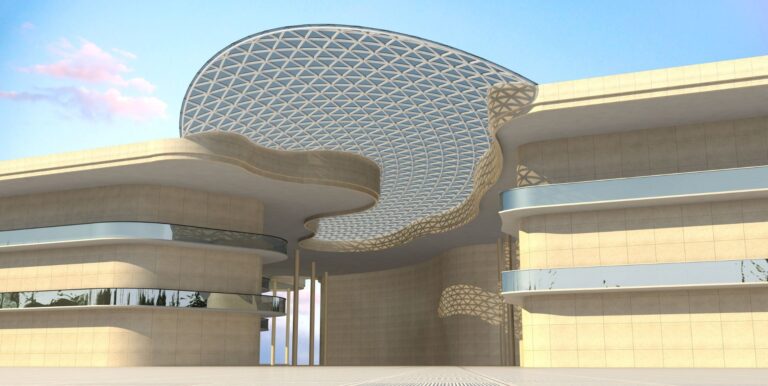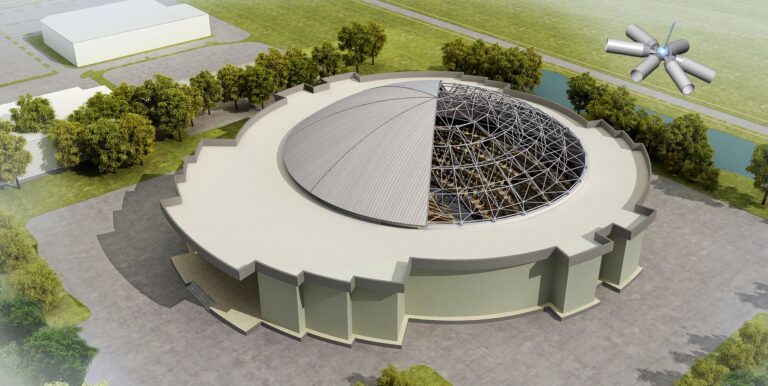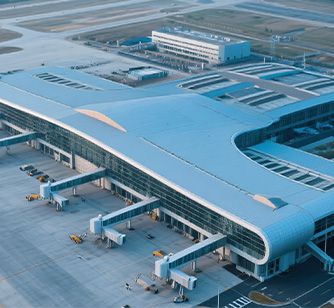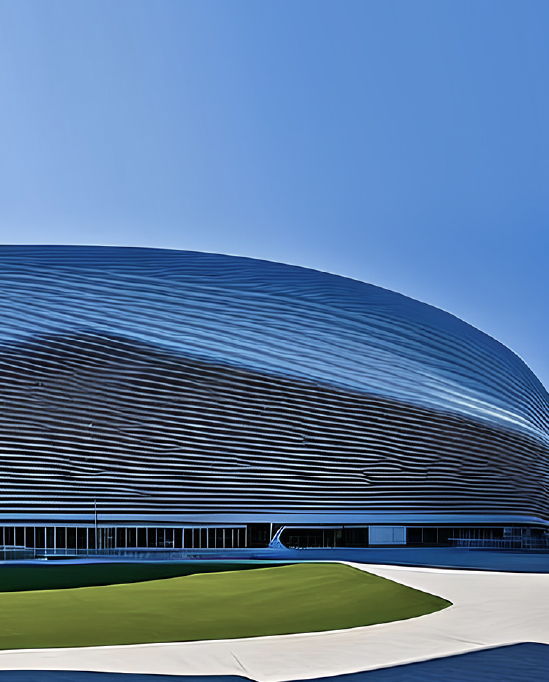
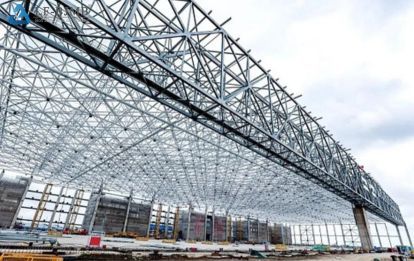
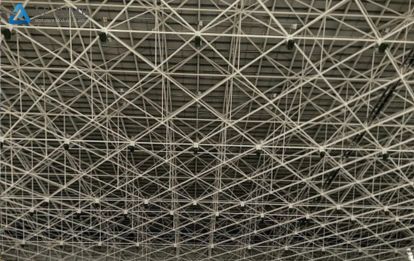
Aircraft hangars feature large-span steel structures as their core framework, offering advantages such as high strength, large spans, and rapid construction, making them the mainstream form of modern aviation architecture.
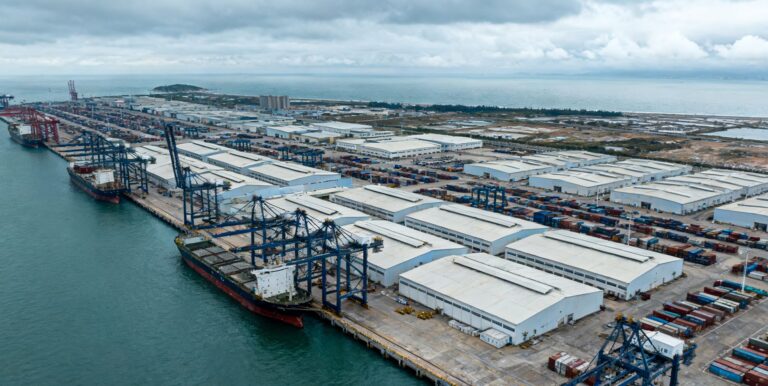
However, steel structures inherently have a weakness: susceptibility to corrosion. This is particularly true in coastal, high-humidity, and rainy regions, where salt fog, water vapor, and atmospheric oxidation continuously erode steel components, leading to coating peeling, weakened cross-sections, and structural deterioration.
Corrosion protection for steel structures is key to the long-term safe and stable operation of hangars, as well as a core measure for extending the building’s service life and reducing operation and maintenance costs.
This article introduces common corrosion protection processes for steel structures in aircraft hangars, as well as specialized protective measures tailored for coastal and high-humidity environments.
1. Why Must Corrosion Protection Be Included in the Design of Aircraft Hangar Steel Structures?
Aircraft hangars rely on steel structures to create vast, column-free spaces that meet the needs of aircraft parking, maintenance, and dispatch operations. While steel structures offer excellent mechanical properties and high construction efficiency, long-term exposure to the natural environment subjects them to continuous corrosion from multiple factors.
Standard industrial anti-rust standards cannot meet the decades-long service life requirements of aircraft hangars. If corrosion protection is inadequate, issues such as component rusting, joint damage, and reduced load-bearing capacity may arise. These problems not only affect the appearance but also create safety hazards and significantly increase future renovation and maintenance costs.
Therefore, professional and systematic corrosion protection design is the fundamental guarantee of a hangar’s structural durability.
2. Mainstream Corrosion Protection Methods for Aircraft Hangar Steel Structures
2.1 Substrate Surface Preparation (Fundamental Step in Corrosion Protection)
The service life of all anti-corrosion coatings depends on the quality of the substrate surface preparation. Through processes such as sandblasting and rust removal, scale, rust, oil, and impurities are thoroughly removed from the steel surface, creating a uniform, rough surface that significantly enhances the adhesion of the anti-corrosion coating. If surface preparation is inadequate, the coating is highly prone to peeling, blistering, and flaking later on, leading to the overall failure of the anti-corrosion system.
2.2 Multi-Layer Corrosion-Resistant Coating System (General Standard Solution)
Aircraft hangars generally adopt a three-layer composite corrosion-resistant system consisting of “primer + intermediate coat + topcoat,” providing layered protection where each layer serves a specific function.
The primer penetrates the substrate to prevent rust and seal the surface;
the intermediate coat increases coating thickness and enhances barrier protection;
the topcoat provides weather resistance, UV resistance, and waterproof and stain-resistant properties.
Projects can be tailored with different coating thicknesses and material systems based on the local environmental corrosion classification, making them suitable for conventional inland environments, high-humidity environments, and coastal salt fog environments.
2.3 Hot-Dip Galvanizing Process (Preferred for High-Humidity/Coastal Areas)
For areas with high humidity, heavy rainfall, and severe coastal salt fog corrosion, hot-dip galvanizing is an extremely stable, long-term corrosion protection solution.
By immersing the entire steel component in molten zinc at high temperatures, a metallurgically bonded zinc coating is formed, offering excellent sealing, wear resistance, and corrosion resistance, capable of withstanding long-term exposure to moisture and salt fog.
This process requires minimal maintenance and offers a long service life, making it ideal for protecting steel structures in coastal airports and hangars in high-humidity regions of southern China.
3. Specialized Corrosion Protection Design Measures for Coastal and High-Humidity Environments
While standard corrosion protection measures are sufficient for typical inland hangars, the intensity of corrosion in coastal and high-humidity regions increases exponentially, necessitating upgraded specialized protection solutions.
First, enhance the overall corrosion protection system by increasing coating thickness and selecting specialized salt-fog-resistant coatings;
Second, optimize joint designs to avoid dead corners and water-trapping recesses in components, thereby preventing crevice corrosion caused by water and salt accumulation;
At the same time, strict control must be exercised over the corrosion protection of welds, as these areas are most prone to rust and require separate rust removal and touch-up treatments.
Furthermore, for coastal projects, the galvanized-plus-paint composite process should be prioritized. By combining the stability of the galvanized layer with the weather resistance of the topcoat, a dual-layer protection system is formed that is fully adapted to the harsh coastal corrosion environment, significantly reducing the frequency of future corrosion protection renovations.
4. Conclusion
Corrosion protection for aircraft hangar steel structures is not simply a matter of applying paint; rather, it is a systematic engineering process that includes surface preparation, multi-layer coatings, specialized processes, and environmental adaptation.
Standard coating systems can be used in conventional inland environments, while areas with high humidity or coastal salt fog are recommended to upgrade to hot-dip galvanizing or composite corrosion protection solutions.
Scientific corrosion protection design can effectively prevent rust and aging of steel structures, ensure the long-term safety of hangar structures, and significantly reduce lifecycle operation and maintenance costs.